Arab Center Washington DC
Web Style Guide
Logo
Color Palette
#000000;
#000000;
#000000;
#000000;
#000000;
#000000;
#000000;
Typography
h1
This is an h1.
0
h2
This is an h2.
0
h3
This is an h3.
0
h4
This is an h4.
0
h5
This is an h5.
0
h6
This is an h6.
0
lede
This is lede text. It has more text than most headers do.
0
p
This is paragraph text: Lorem ipsum dolor sit amet, consectetur adipiscing elit, sed do eiusmod tempor incididunt ut labore et dolore magna aliqua. Ut enim ad minim veniam, quis nostrud exercitation ullamco laboris nisi ut aliquip ex ea commodo consequat.
0
a
This is paragraph text: Lorem ipsum dolor sit amet, consectetur adipiscing elit, sed do eiusmod tempor incididunt ut labore et dolore magna aliqua. Ut enim ad minim veniam, quis nostrud exercitation ullamco laboris nisi ut aliquip ex ea commodo consequat.
0
quote
Lorem ipsum dolor sit amet, consectetur adipiscing elit, sed do eiusmod tempor incididunt ut labore et dolore magna aliqua.
0
caption
Lorem ipsum dolor sit amet, consectetur adipiscing elit, sed do eiusmod tempor incididunt ut labore et dolore magna aliqua.
0
ul
- This an unordered list
- This an unordered list
- This an unordered list
0
ol
- This an ordered list
- This an ordered list
- This an ordered list
0
Content Feed - 3 Items
Webinars & Events
Content Feed - 5 Items
Latest Publications
- Policy Analysis
 Palestine/IsraelDemocracy and Governance
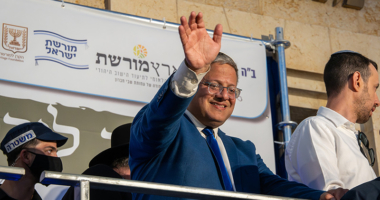
Israel’s 2026 Elections: Jewish Power Hopes to Lead the Populist and Extremist Right
Oct 20, 2026Mohanad MustafaIn Israel’s 25th Knesset election (held in 2022), the electoral strength of Itamar Ben-Gvir’s Jewish Power (Otzma Yehudit) party increased when it won six seat…
- Policy Analysis
 Palestine/IsraelDemocracy and Governance
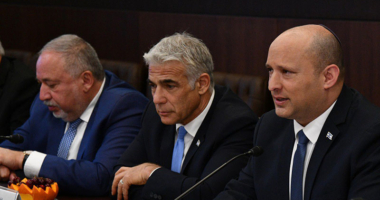
Opposition Parties Offer No Alternative Political Visions in Israel’s Elections
Jul 9, 2026Mtanes ShihadehIsrael is preparing for new elections, whether they take place on time at the end of October 2026 or are brought forward to an earlier date in September. In re…
Content Feed w/ Filters
Current Openings FTE
Current Openings
Fellow for US Government Affairs
Arab Center Washington DC is hiring a Fellow for US Government Affairs, based in Washington, DC, on a full-time basis.
The Fellow for US Government Affairs will monitor activities in the three branches of the US government (Congress, the White House and Executive Branch, and the Judicial Branch) and prepare a weekly report (Washington Policy Weekly) of all activities pertaining to the Middle East. The fellow will provide Arab Center executives and researchers with daily analyses of legislative and policy issues related to US policy in the Middle East. S/he will initiate and maintain regular contact and professional relationships with relevant congressional staff serving on the foreign affairs committees and other committees or subcommittees dealing with Arab world and Middle East issues as well as with federal government employees at relevant agencies and departments.
Deadline: August 31, 2021.
Salary commensurate with experience.
Featured Feed - Feature Left
- Policy Analysis
 Saudi ArabiaConflicts and Conflict Resolution
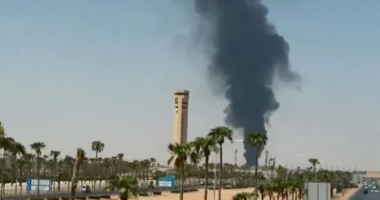
Saudi Arabia’s Search for Allies in Yemen
Oct 9, 2026Learn MoreOn October 5, 2026, Yemen’s internationally recognized government began an offensive with support from Saudi Arabia to retake the territory taken by Ansar Alla…
- Research Paper
 US Foreign Policy
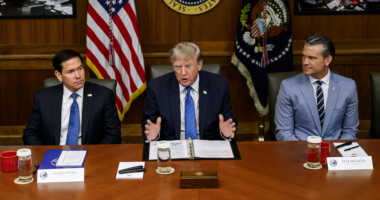
From Amoral Politics to Immoral Politics: The Influence of the Trump Administration
Oct 6, 2026Azmi BisharaLearn MoreAzmi Bishara examines the impact of sustained exposure to the rhetoric and practices of US President Donald Trump’s administration on public moral values and e…
- Collective Analysis
 The Arab WorldRegional Relations and Geopolitics
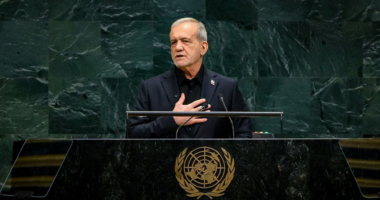
UNGA 2026: War, Diplomacy, and the Middle East’s Changing Order
Sep 28, 2026Learn MoreArab Center fellows and contributors reflect on what UNGA 2026 reveals about diplomacy, politics, and economic development across the Middle East.
Featured Feed - Feature Right
- Policy AnalysisSaudi ArabiaConflicts and Conflict Resolution
Saudi Arabia’s Search for Allies in Yemen
Oct 9, 2026Learn MoreOn October 5, 2026, Yemen’s internationally recognized government began an offensive with support from Saudi Arabia to retake the territory taken by Ansar Alla…
- Research PaperUS Foreign Policy
From Amoral Politics to Immoral Politics: The Influence of the Trump Administration
Oct 6, 2026Azmi BisharaLearn MoreAzmi Bishara examines the impact of sustained exposure to the rhetoric and practices of US President Donald Trump’s administration on public moral values and e…
- Collective AnalysisThe Arab WorldRegional Relations and Geopolitics
UNGA 2026: War, Diplomacy, and the Middle East’s Changing Order
Sep 28, 2026Learn MoreArab Center fellows and contributors reflect on what UNGA 2026 reveals about diplomacy, politics, and economic development across the Middle East.
Horizontal Tabs - Regions
- Policy AnalysisPalestine/IsraelDemocracy and Governance
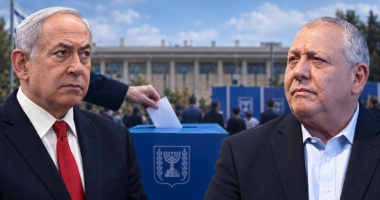
Israel’s 2026 Elections: Jewish Power Hopes to Lead the Populist and Extremist Right
Oct 20, 2026Mohanad MustafaIn Israel’s 25th Knesset election (held in 2022), the electoral strength of Itamar Ben-Gvir’s Jewish Power (Otzma Yehudit) party increased when it won six seat…
- From our Affiliates
 IraqDemocracy and Governance
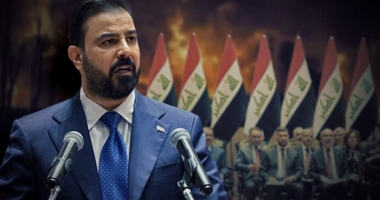
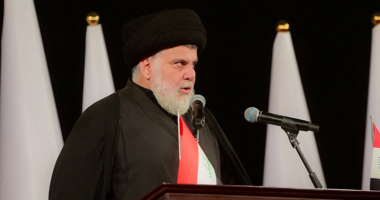
Iraq’s New Premier Faces Pressing Challenges as US-Iran Conflict Rages
Aug 3, 2026The Unit for Political StudiesAl-Zaidi was presented as a compromise candidate to bridge a rift within the Coordination Framework over the selection of a prime minister. The bloc had split …
- From our Affiliates
 LibyaConflicts and Conflict Resolution
Libya’s Political Deadlock: Why Multiple Initiatives Keep Stalling
Aug 19, 2026The Unit for Political StudiesLibya is seeing a flurry of political and diplomatic activity across several fronts. The United Nations Support Mission in Libya (UNSMIL) has launched a new in…
- Viewpoint
 SudanDemocracy and Governance
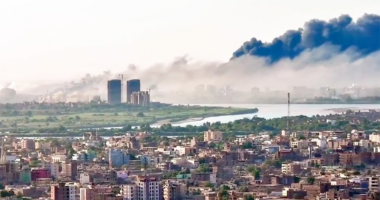
Sudan’s Transitional Process Is Dead and Buried
Apr 17, 2023Imad K. HarbIt would be very difficult to consider the ongoing intra-military conflict in Sudan as a struggle to advance the cause of democratic development in the country…
- Policy Analysis
 LibyaRegional Relations and Geopolitics
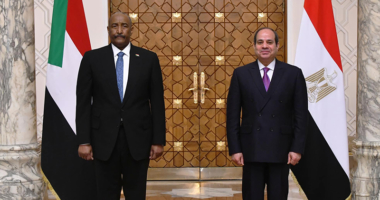
Impacting Elusive Transitions: Egypt’s Policy Toward Sudan and Libya
Mar 1, 2023Khalil Al-AnaniThe recent political developments in Sudan and Libya have generated some optimism for a potential resolution to the protracted political crises that have plagu…
How did World War I set Palestine on the path toward the Nakba?
In Brief: World War I set Palestine on the path toward the Nakba because Britain’s wartime deals, broken promises, violent conquest, and later Mandate policies enabled Zionist settlement, denied Palestinian self-determination, and created the political conditions that led to mass displacement in 1948.
In More Detail: Britain sealed Palestine’s fate before it had conquered the territory, setting its people on a course of death and destruction that would reach a peak in the 1948 Nakba. In the midst of World War I (1914-1918), Britain and France planned for the removal of the Ottoman Empire from its Arab provinces. In a secret agreement known as Sykes-Picot (1916), Britain and France divided the territories between themselves, creating, in broad outline, the map of the modern Middle East that we know today.
Meanwhile, Britain made two, mutually exclusive promises to two groups, each conflicting with British and French plans to control the region following the war’s end. First, in a series of communications known as the Hussein-McMahon Correspondence (1915-1916), Britain promised a prominent Arab leader in the Arabian Peninsula, Sharif Hussein of Mecca, an Arab state, which was understood by the leader to include Palestine, in exchange for his support in rallying an Arab rebellion against the Ottoman leadership. Second, Britain promised a “Jewish national homeland” in Palestine to Zionist leaders in Britain through a communication known as the Balfour Declaration (1917).
If avenues for self-determination were precluded prior to Britain’s military takeover in Palestine, the physical arrival of the British in the territory made matters even worse for Palestinians. Britain’s campaign to conquer Palestine and Jerusalem began in March 1917, first in Rafah, then Khan Younis, then Gaza City. Ottoman defenses were fierce; the British anticipated a swift victory and path to Jerusalem, but resistance in Gaza City was so strong that it evaded surrender until November 1917, and eventually Jerusalem was occupied in December 1917.
Gaza City was utterly decimated by the British campaign. In addition to artillery bombardment, new military technology enabled the British military to launch air raids on Gaza City, terrorizing the local population, with many fleeing their homes until the campaign ended, and many returning to find their homes, and much of Gaza City, in total ruin. On December 11, 1917, General Edmund Allenby entered Jerusalem and declared martial law. Palestine was placed under the Occupied Enemy Territory Administration (OETA), a system of joint British-French military rule over recently conquered Ottoman territories in the Levant.
After the war, Allied powers set up mandates over former Ottoman territories. Effectively, this system formalized the secret Sykes-Picot agreement, but with a caveat: Amid the US emphasis on self-determination following US President Woodrow Wilson’s Fourteen Points address (1918), delivered in the final months of the war, Britain and France presented their control over the region as temporary tutelage, rather than formal colonialism. By declaring these territories “mandates,” Britain and France declared that they were preparing the peoples living under this system for eventual self-determination and independence.
The British Mandate for Palestine was established in 1920, but it was clear from the outset that Britain had no intention of relinquishing control or ceding room for Palestinians to transition to independence and statehood. Further, the language of the Balfour Declaration was incorporated into the Palestine Mandate submitted by Britain to the League of Nations. The result was formal British recognition of and cooperation with the Jewish Agency—the governing body of the Jewish community in Palestine prior to Israel’s establishment, headed by Zionist leaders—and this was enshrined in the British Mandate for Palestine, affirming its commitment to facilitating Jewish immigration to Palestine, which British authorities understood to be linked to the Zionist project. Overall, Britain’s violent entry to Palestine, callous destruction of Palestinian homes and lives, and suppression of Palestinian independence would be the rule, not the exception, which eventually created the conditions for the Nakba.
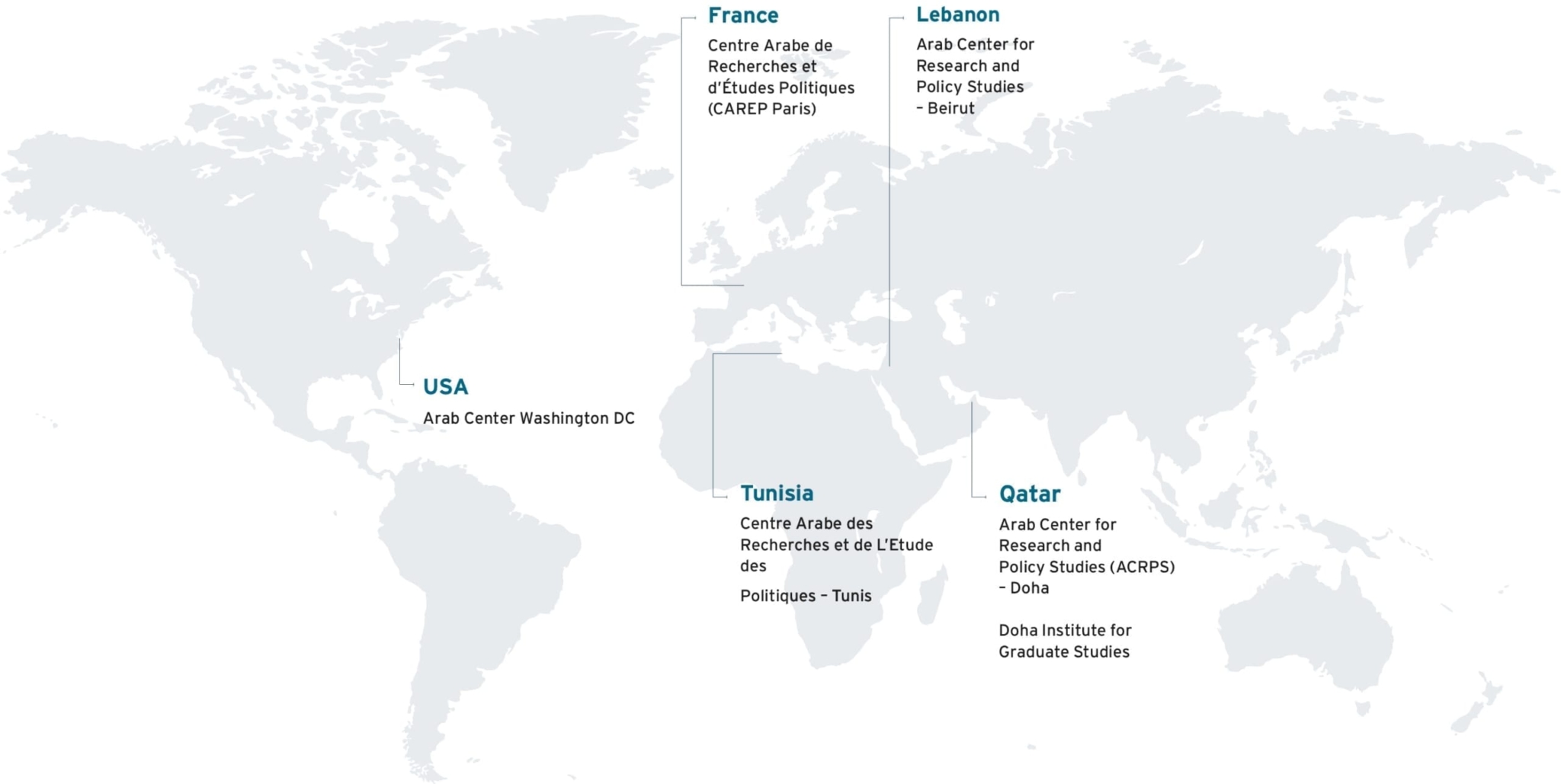
Affiliated Centers
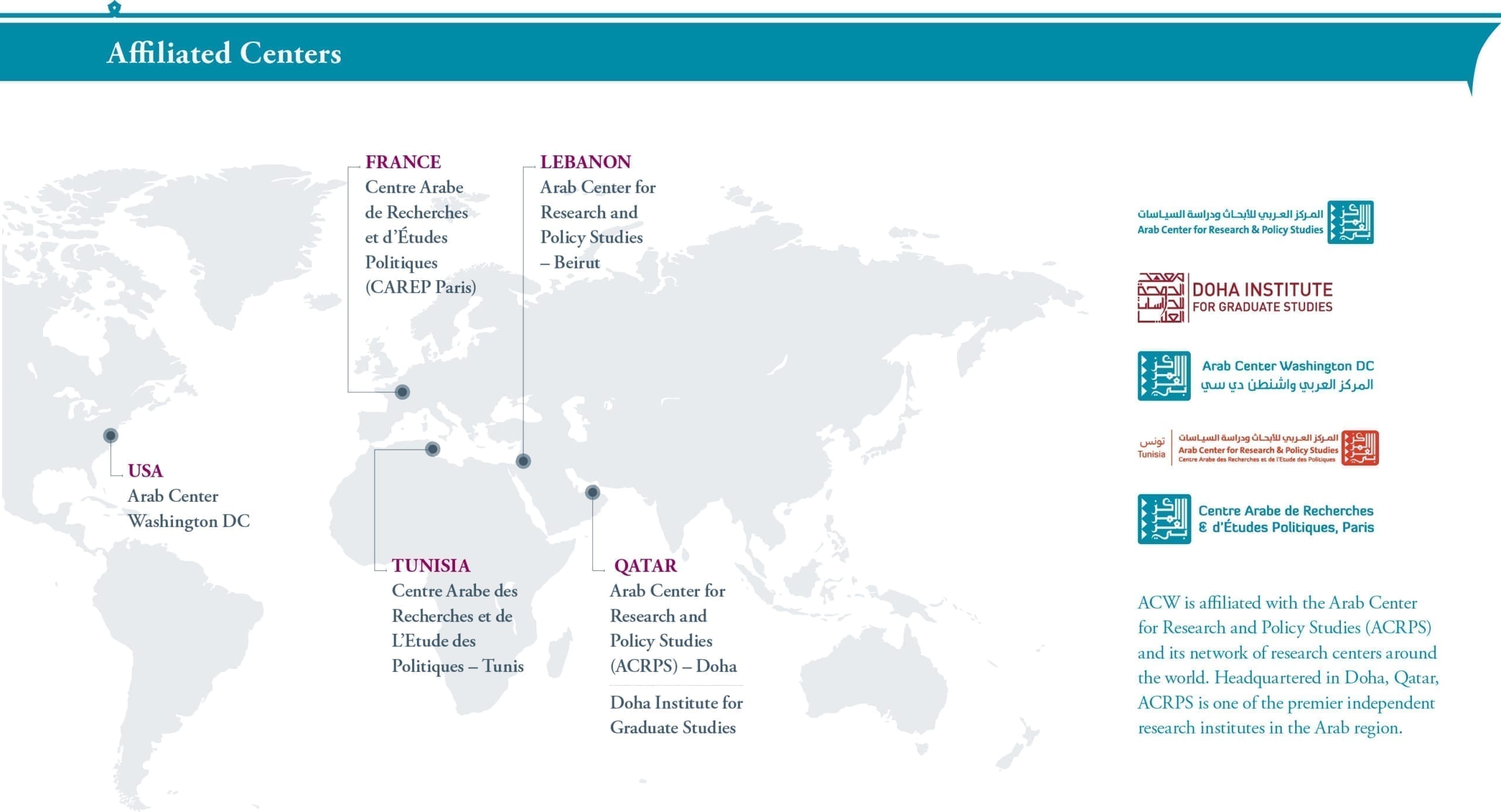
Homepage – Levant Feed
- Policy AnalysisPalestine/IsraelDemocracy and Governance
Israel’s 2026 Elections: Jewish Power Hopes to Lead the Populist and Extremist Right
Oct 20, 2026Mohanad MustafaIn Israel’s 25th Knesset election (held in 2022), the electoral strength of Itamar Ben-Gvir’s Jewish Power (Otzma Yehudit) party increased when it won six seat…
Homepage – North Africa Feed
- From our AffiliatesLibyaConflicts and Conflict Resolution
Libya’s Political Deadlock: Why Multiple Initiatives Keep Stalling
Aug 19, 2026The Unit for Political StudiesLibya is seeing a flurry of political and diplomatic activity across several fronts. The United Nations Support Mission in Libya (UNSMIL) has launched a new in…
Homepage – The Arabian Peninsula and The Gulf Feed
- From our AffiliatesIraqDemocracy and Governance
Iraq’s New Premier Faces Pressing Challenges as US-Iran Conflict Rages
Aug 3, 2026The Unit for Political StudiesAl-Zaidi was presented as a compromise candidate to bridge a rift within the Coordination Framework over the selection of a prime minister. The bloc had split …
Homepage – The Horn of Africa Feed
- ViewpointSudanDemocracy and Governance
Sudan’s Transitional Process Is Dead and Buried
Apr 17, 2023Imad K. HarbIt would be very difficult to consider the ongoing intra-military conflict in Sudan as a struggle to advance the cause of democratic development in the country…
- Policy AnalysisLibyaRegional Relations and Geopolitics
Impacting Elusive Transitions: Egypt’s Policy Toward Sudan and Libya
Mar 1, 2023Khalil Al-AnaniThe recent political developments in Sudan and Libya have generated some optimism for a potential resolution to the protracted political crises that have plagu…