Introduction: The Islamabad Memorandum of Understanding
Daniel Neep, ACW Senior Fellow and Director of Publications
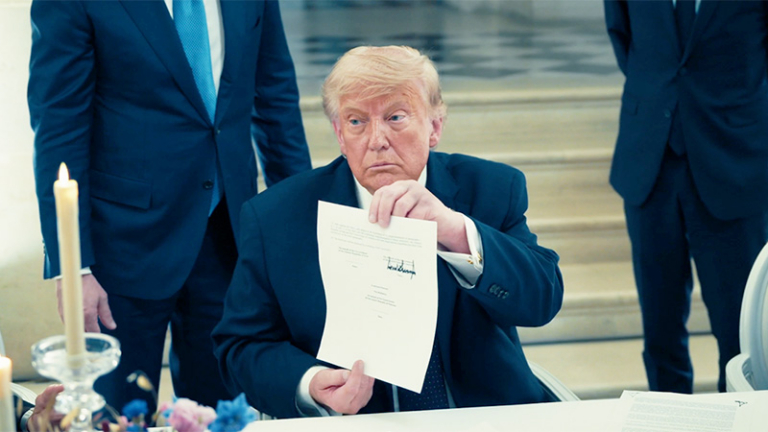
The “Islamabad Memorandum of Understanding between the United States of America and the Islamic Republic of Iran,” signed in Versailles, France, on June 17, 2026, is designed to halt the hostilities between the two countries that began on February 28 this year. The MoU aims to extend the ceasefire, reopen the Strait of Hormuz, and create a 60-day window for negotiations toward a final agreement. The MoU follows months of direct and proxy confrontation that have drawn Israel, Lebanon, the Gulf states, and global energy markets into the fray, raising the stakes of any renewed escalation far beyond the immediate theater of conflict.
The MoU appears to offer both sides a temporary reprieve from a conflict that neither could easily control. Washington has committed to ending its naval blockade, easing restrictions on Iranian oil exports, and entering negotiations over sanctions relief, as well as developing a $300 billion reconstruction and development plan. Tehran has committed itself to refrain from developing nuclear weapons, facilitate commercial shipping in the Gulf, and enter talks over a final settlement. Nevertheless, the MoU remains an interim framework, not a peace agreement. Its durability will depend on sequencing, verification, and building reciprocal trust between Washington and Tehran. Its success further depends on domestic politics in both countries, as well as the willingness of regional actors to accept a diplomatic arrangement that potentially leaves many underlying disputes unresolved.
The ceasefire marks the beginning of a new diplomatic process, not the end of the crisis. It raises—and does not always answer—urgent questions about the legality and impact of the war, the future of Iran’s nuclear program, the prospects for sanctions relief, Gulf security, the positions of Lebanon and Hezbollah, and the political calculations of the Trump administration, the Iranian regime, and the government of Israeli Prime Minister Benyamin Netanyahu. It also leaves open the possibility that the MoU will only pause a conflict of which the causes and incentives remain largely intact.
Arab Center Washington DC asked its fellows and experts to assess the implications of the US-Iran interim ceasefire MoU and the prospects for a durable regional de-escalation.
Trump’s War, Iran’s Resolve, and Netanyahu’s Search for Survival
Daniel Brumberg, ACW Non-resident Senior Fellow
From the start of Operation Epic Fury, Iran’s leaders had one huge advantage over Donald Trump: they were motivated not merely by their desire for self-protection, but by their shared commitment to deeply held political convictions. By contrast, Trump was primarily motivated by personal vanity and the wish to use increase the power of the presidency to project his own ego. Some twenty-five billion dollars later, if not more, Trump’s war has dramatically undercut US leverage with Iran. The next stage of negotiations is highly unlikely to yield a nuclear deal substantively better than the 2015 Joint Comprehensive Plan of Action (JCPOA) from which the first Trump administration withdrew the United States in 2018. Trump will nevertheless sell his MoU as a victory to his domestic political supporters whose chief concern is the US midterm elections. In that, he may succeed.
The wild card is Israel and its beleaguered Prime Minister, Benjamin Netanyahu. His opponents, and even some of his allies, argue that Trump has betrayed Israel. Israeli ultra-hardliners believe that the only way to respond to the debacle of the war is for Israel to cement permanent control over Gaza, the West Bank, and newly occupied land in South Lebanon and Syria. What they forget is that, although Trump encouraged the expansionist dreams and violent actions of Israel’s messianic right, his vanity will not easily abide Netanyahu’s defiance—or, worse, his personal disloyalty. Netanyahu might retreat from a final showdown with Hezbollah to pacify Trump, even as he insists that Israeli troops will remain in South Lebanon. Both leaders might yet find a way to patch up their fraught alliance if they can achieve what each craves the most: political survival.
What Does the Deal Mean for Domestic US Politics?
Yousef Munayyer, ACW Senior Fellow and Head of the Israel/Palestine Program
The strategic debacle of the US-Israeli war on Iran has had a significant negative effect on the US and global economy. Gas prices have skyrocketed, inflation has jumped, and US Treasury bonds have become more expensive. Not only do Americans now have less access to money, but rising prices mean that the money they do have does not go as far. This kind of situation would have devastating political consequences for any US administration, especially in an election year. With President Donald Trump’s eye on the November 2026 midterm elections—and the potential returns from his Iran war strategy diminishing as fast as his approval rating—Trump likely thought the time had come to end this experiment-gone-wrong and to attempt to correct the economic course before voters head to the polls.
Still, Trump’s domestic woes are not yet over. After the months of an effectively closed the Strait of Hormuz and the destruction of crucial energy infrastructure in the Gulf, the US economy will likely face a delay of months, not weeks, before it improves. But the economy is not the only challenge Trump has to overcome. Prioritizing the US economy and the Republican Party’s electoral chances ahead of Israeli Prime Minister Benjamin Netanyahu, who wanted to see the war continue, will no doubt anger the pro-Israel lobby in Washington, which will seek to undercut Trump’s Iran deal much as they did President Obama’s 2015 JCPOA. Will Trump be able to advance his deal over the objections of the Israel lobby, as Obama did, or will he prove weaker than his predecessor? The answer will have significant implications for both the Republican Party and the future of the US-Israeli relationship.
The US-Iran Ceasefire Deal is a Disaster for Netanyahu and Israel
Khalil Jahshan, ACW Executive Director
The US-Israeli war of choice against Iran that has devastated the region seems to be ending without achieving its original objectives set for it by Israel and the United States on February 28, 2026. An initial reading of the MoU, which calls for “an immediate and permanent end to the war on all fronts, including Lebanon,” suggests that the regime in Tehran has emerged as the uncontested winner, leaving Israeli Prime Minister Benjamin Netanyahu —a persistent advocate and key instigator of the war—as the outright loser.
Most Israelis oppose ending the war with Iran without regime change in Tehran and an unequivocal halt to Iran’s nuclear and ballistic missiles programs. Israeli officials and the public consider the Trump administration’s acquiescence to a mutual ceasefire without achieving these goals to signal an Israeli defeat in this war. If Netanyahu swallows his pride and abides by this ceasefire in which he had no role negotiating, it will also mean ending Israel’s war in Lebanon without destroying its long-standing nemesis, Hezbollah. This twofer failure in Iran and Lebanon is likely to significantly affect Israel’s October 2026 parliamentary elections. Netanyahu’s fear of a voter backlash could well prompt him to sabotage the broader diplomatic deal of which the Islamabad MoU is only the first, fragile step.
Lebanon and the Risks of US-Iran De-escalation
Patricia Karam, ACW Non-resident Fellow
Much of the discussion surrounding the US-Iran agreement has focused on whether regional flashpoints such as Lebanon could undermine implementation. A greater risk, however, may be the reverse: that Lebanon becomes subordinate to a broader US-Iran accommodation.
Over the past year, Lebanon has experienced a rare convergence of political and security developments that has created an opportunity to strengthen state institutions, reassert state authority, and reduce the role of armed actors operating outside government control. That process remains incomplete and fragile.
A US-Iran agreement could complicate these efforts if regional de-escalation becomes the overriding priority. Washington may become less willing to support measures that increase pressure on Hezbollah if they are perceived as jeopardizing the broader understanding with Tehran. Iran, meanwhile, may seek to preserve elements of its influence in Lebanon while making concessions elsewhere. The result could be a renewed emphasis on the status quo rather than structural change.
Israel may reach the opposite conclusion. If Israeli leaders determine that the outcome leaves Hezbollah’s military capabilities largely intact, they could become more inclined to act unilaterally, increasing the risk that Lebanon once again becomes the arena in which regional disagreements are expressed.
For Lebanon, the central question is not whether developments might derail the agreement. The question is whether the agreement hastens or delays the emergence of a sovereign Lebanese state capable of exercising authority throughout its territory. If regional de-escalation comes at the expense of addressing the underlying issues that have weakened the Lebanese state for decades, the agreement may produce temporary calm while leaving the fundamental sources of instability unresolved.
For Gulf States, the US-Iran Deal Raises More Questions Than Answers
Kristian Coates Ulrichssen, ACW Non-resident Senior Fellow
Officials in the Gulf Cooperation Council states will no doubt continue studying the fine print of the Islamabad MoU and looking for any discrepancies in how Washington and Tehran seem to be interpreting the terms of the deal. The imprecise MoU language on sequencing the reopening the Strait of Hormuz will be a prime concern to GCC states, given their reliance on the waterway and their need to restore access to pre-February 28, 2026, levels. Yet even if the ceasefire is sustained, Gulf leaders will also need to address how to manage relations with Tehran in a post-war environment in which Iran, albeit weakened, retains significant military leverage and may even receive a financial windfall after the deal.
A key concern is whether Iran might redirect any potential gains from the resumption of oil sales and economic relief toward its ballistic missile program, which is arguably of greater concern to GCC leaders than its nuclear aspirations. The 60-day negotiating window raises the question of whether any future US-Iran agreement will take into consideration the security needs of regional states. Gulf capitals will carefully scan the contours of any deal the Trump administration is prepared to strike with Tehran to determine whether Washington recognizes their interests or goes over their heads to reach a “grand bargain” with Iran—a prospect of which regional leaders have long been apprehensive.
The views expressed in this publication are the authors’ own and do not necessarily reflect the position of Arab Center Washington DC, its staff, or its Board of Directors.
Featured image credit: The White House via X