
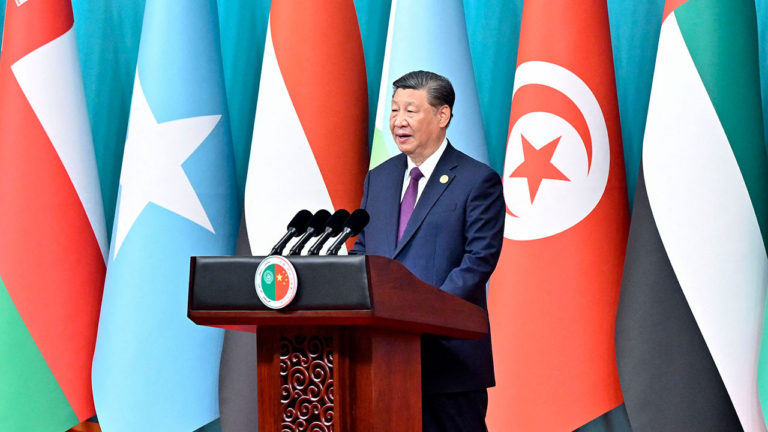
On September 24, 2026, Chinese President Xi Jinping is expected to meet President Donald Trump for the second time since the start of the US-Israeli war on Iran. Although Trump has downplayed Chinese assistance to Iran, and Secretary of the Treasury Scott Bessent refrained from sanctioning major Chinese lenders at the beginning of Operation Economic Outcast, Washington will be keen to understand Beijing’s position on the issue. Tehran shares this concern: prior to both the May 2026 Xi-Trump summit and the anticipated September summit, Iranian Foreign Minister Abbas Araghchi visited China for consultations. While Washington sees Beijing as a “near-peer” competitor, Tehran considers it an indispensable lifeline—and both parties are keen to understand China’s position on the Iran war and the Middle East more broadly.
China’s approach to the Middle East is important beyond Xi’s visit to Washington. If a new regional order is emerging from the ashes of the conflict, as some analysts suggest, China’s economic prowess and foreign policy ambition mean that it could play a major role in that new order—if it wishes to. While we cannot know how Xi and his circle of advisers are reading the current situation, China’s past behavior can provide us with important hints. In recent years, Beijing’s Middle East approach has developed in line with two key goals. The first is to find ways to use regional crises and developments to preserve its position or gain leverage vis-à-vis the United States. The second is to reduce China’s domestic exposure to shocks, threats, and crises emanating from the Middle East, rather than solving those problems at their root.
China’s approach has several implications for both the Middle East and the United States. The desire to insulate itself from regional shocks means that China will not necessarily be a major player in a post-US Middle East. In fact, Beijing’s role might even decrease as it improves its capacity to minimize or absorb costs. The quest for leverage over the United States, furthermore, does not mean that China always seeks to undermine US interests in the region. On the contrary, China may indulge US actions, even to the detriment of its relations with some regional partners, if Beijing sees forbearance as beneficial to its own core interests, such as having Washington acknowledge Asia as part of China’s sphere of influence.
Leverage
China does not approach the Middle East simply as a faraway region with little connection to its own immediate interests at home or in Asia. Instead, Chinese policymakers generally consider how regional developments influence Beijing’s position vis-à-vis its main strategic rival, the United States, when deciding whether and how to respond. As such, China does not have a specific Middle East strategy. Its approach has consistently prioritized protecting Beijing’s interests in the wider context of US-China relations, not only in the region itself.
Crucially, this approach does not mean that China necessarily adopts an adversarial attitude toward US actions and interests in the Middle East. Instead, it has demonstrated remarkable flexibility, often ending up working with Washington—or at least not putting obstacles in its path—to achieve its aims. For example, China seized the opportunity offered by al-Qaeda’s September 11, 2001, attack on the United States to defuse tensions with President George W. Bush, who had previously exhibited a tough stance toward China on Taiwan. China took a conciliatory approach: it did not obstruct Washington at the United Nations (UN) Security Council ahead of the 2003 US-led invasion of Iraq and even supported reconstruction efforts after the invasion. One year later, President Bush, standing alongside a Chinese official, publicly accused Taiwanese leaders of destabilizing the status quo.
China’s position on the 2015 Joint Comprehensive Plan of Action (JCPOA) was influenced by similar concerns. Beijing identified the Iranian nuclear issue as a priority for the Obama administration and Xi Jinping, who came to power with great foreign policy ambitions, decided to put pressure on Tehran to engage in serious negotiations. In doing so, and in parallel with cooperation on the 2015 Paris Climate Agreement, Beijing was trying to stabilize relations with the United States while burnishing its great power credentials.
Beijing has made it clear that it is less concerned about who is leading Iran than it is about regime collapse.
Since the current war on Iran, China continues to approach the Middle East region in these terms. Beijing has made it clear that it is less concerned about who is leading Iran or whether the country is run by clerics or the military, than it is about violations of Iran’s national sovereignty and regime collapse. As such, it has continued to purchase Iranian oil and likely provided some intelligence and indirect military support. It has also intervened at the UN to prevent the approval of Gulf-backed resolutions that could have created a legal opening for an international coalition against Iran.
Yet China has also tried its best to prevent this conflict from becoming a serious irritant in its relations with Washington. While Beijing has made it clear that its position differs from Washington’s, Chinese statements at various points of the conflict have either tried to separate the war from the US-China bilateral relationship or have not contradicted US statements, such as those implying Chinese support for Washington’s efforts to reopen the Strait of Hormuz.
Wherever possible, China tries to maximize both regional and strategic interests. For example, investing in post-Saddam Iraq produced enormous economic and energy benefits. The JCPOA was meant to make it easier for China to trade with Iran, as well as to avoid a possible US-Iran war that would have been highly damaging to Chinese economic and energy interests. Similarly, recent Chinese calls to reopen the Strait of Hormuz can hardly be seen as disinterested, given that a possible global economic downturn would be a significant problem for the world’s largest exporter. However, its conduct during previous crises and the current conflict demonstrate the hierarchy of its interests clearly: the relations with Washington set the boundaries within which it provides support to Iran, which has long been identified by the Chinese as a critical source of leverage against other powers. For Beijing, Iran is sufficiently important that it does not seem to have used its influence to rein in Iranian attacks on Gulf states, despite their energy and investment relationships—and despite its 2023 role in hosting Iranian and Saudi delegations to overcome their differences.
Insulation
China’s quest for insulation from Middle Eastern crises is more recent than its longstanding search for leverage and developed in reaction to Beijing’s growing awareness that its economic development was creating vulnerabilities and exposing it to events in faraway regions in unprecedented ways. Insulation and leverage efforts work in tandem: the former creates space for policymakers in Beijing to decide if and how to pursue the latter.
Consistent with its goal of limiting regional entanglement, China has mostly opted for internal balancing against threats to its interests. Notably, the country has used regulations and industrial policy to shape its interests abroad, as can be clearly seen in China’s energy strategy and its approach to protecting Chinese citizens abroad.
The Middle East’s share of China’s energy imports has actually decreased.
The Middle East’s centrality in the Chinese energy landscape developed and cemented between the late 1990s and the early 2000s as it became clear that a transition to process sour crude was necessary to fuel Beijing’s economic engine. Today, energy is recognized by China as the core of Sino-Middle Eastern relations, outranking trade, investment, and infrastructure construction in importance. However, the data reflects a more nuanced story: China has consistently worked to limit the influence of that core. Indeed, despite China’s dramatic increase in the volume of crude oil and gas it is importing from the Middle East, the Middle East’s share of China’s energy imports has actually decreased, ensuring that the region has not grown in influence nor has China become more dependent on it (Figures 1 and 2). China achieved this through an aggressive strategy of diversification of its suppliers.
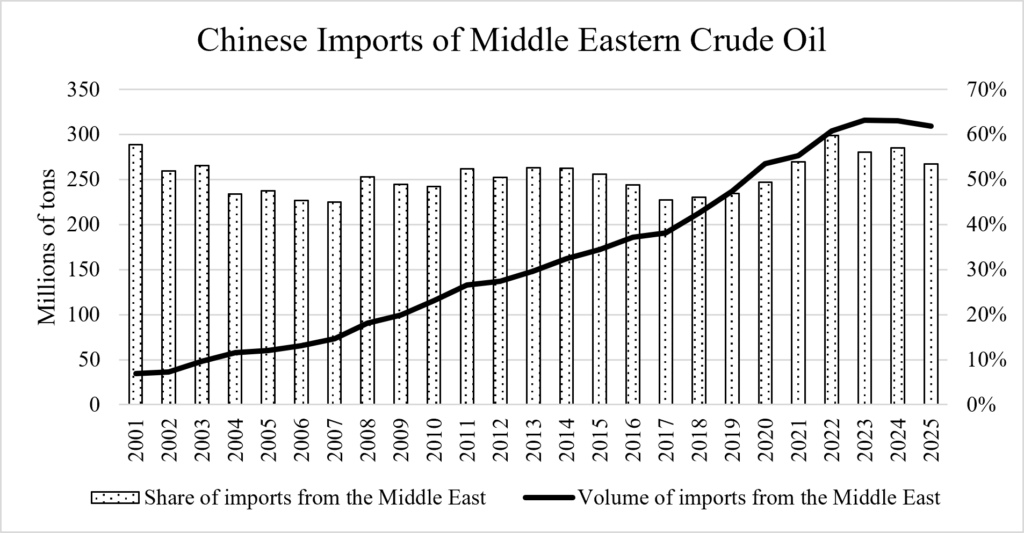
Figure 1: Prepared by the author based on International Trade Center data.
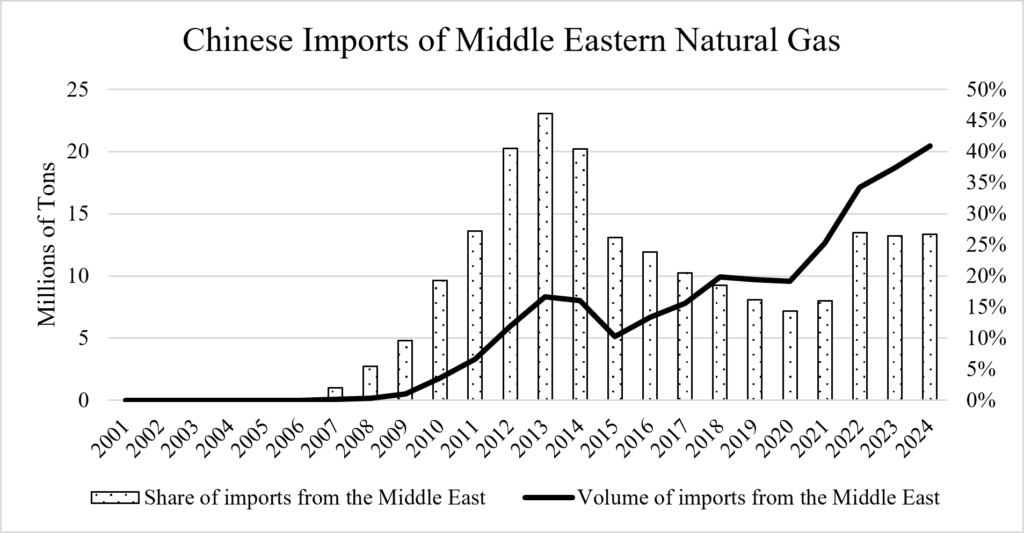
Figure 2: Prepared by the author based on International Trade Center data.
At the same time, China has invested heavily in becoming an “electrostate” powered by a mix of coal, nuclear, and renewable energy, building up massive strategic reserves, and improving the overall energy efficiency of its economy. While expensive, this approach has served China well, as clearly demonstrated during the current conflict. For a long time, experts and analysts expected that China would be forced to intervene, take a side, and be drawn into a regional security crisis by its dependence on Middle Eastern hydrocarbons. This outcome has not arisen because all these measures, plus remarkable administrative and coordination capacity, allowed China to cut crude imports without causing significant economic problems.
As to the case of Chinese citizens and assets in the region, the development of Beijing’s approach was less smooth and straightforward. The 2010-11 Arab Spring showed how unprepared China was for regional instability. From the policymakers in Beijing to the diplomats on the ground, Chinese officials were not fully aware of how much their country’s economic and human footprint had expanded in the region because of bureaucratic fragmentation and lack of capacity to monitor it. The hasty evacuation of tens of thousands of its citizens from Libya in 2011, where Chinese companies also lost billions of dollars’ worth of contracts and assets, triggered a deep rethinking about how to deal with the protection of these so-called “overseas interests.”
This process is behind today’s strong consensus among civilian and military leaders that the People’s Liberation Army (PLA) must have the ability to deploy in faraway regions to safeguard what some military commentators describe as China’s “frontiers of national interests.” The opening of the PLA Support Base in Djibouti in 2017 is a product of this decision. However, the Chinese military continues to play only a marginal role, essentially showing up only to pick up Chinese nationals once they are already in a safe area to be brought back to China. Investment in regional harbors fits within this approach as it allows China to project power in peacetime for non-combat operation and with the permission of the host country. Despite some debate in the early 2010s, Beijing’s policymakers have been extremely cautious in authorizing Chinese private security companies to operate overseas, with their role remaining limited to serving as security consultants and trainers for Chinese companies and diplomatic missions.
Instead, China has largely adopted a regulatory approach, clearly making economic actors responsible for the safety and security of their assets and workers abroad. In parallel, it improved the preparedness of its embassies and consulates abroad, pushing them to work with local authorities in case of emergency. In 2014, for example, more than 1,200 Chinese employees from the China Machinery Engineering Corporation were evacuated from Samarra in Iraq under the escort of Iraqi troops. The provision of training and non-lethal equipment to local defense and security forces, such as in Egypt, Iraq, or Saudi Arabia, complements this approach. Such cooperation, which includes counterterrorism, is also functional to preventing the possible infiltration of China’s westernmost province, the Xinjiang Uyghur Autonomous Region, or areas on the border by Uyghurs with combat experience. It is not uncommon for some countries, such as the United Arab Emirates, to sustain both robust military cooperation with the United States and close law-enforcement ties with China. In other words, while the shock of the Arab Spring pushed China to ensure that it is capable of limited military interventions to protect its citizens and assets abroad, it has largely delegated that task to local partners and let its companies absorb the costs of their mistakes.
This mechanism does not work perfectly as Chinese economic actors may ignore their government’s warnings. However, if one takes the number of workers sent by Chinese companies to the region (Figure 3) as a proxy for the broader Chinese human footprint there, the pressure on Beijing has decreased over time. After years of growth that started well before the launch of the much-discussed Belt and Road Initiative, Chinese official data also indicate a slowing down in Chinese investment in the Middle East (Figure 4), with capital mostly flowing into a few countries, such as Saudi Arabia and the United Arab Emirates. This minimizes the need for Beijing to intervene directly, thereby allowing it to preserve room for maneuvering.
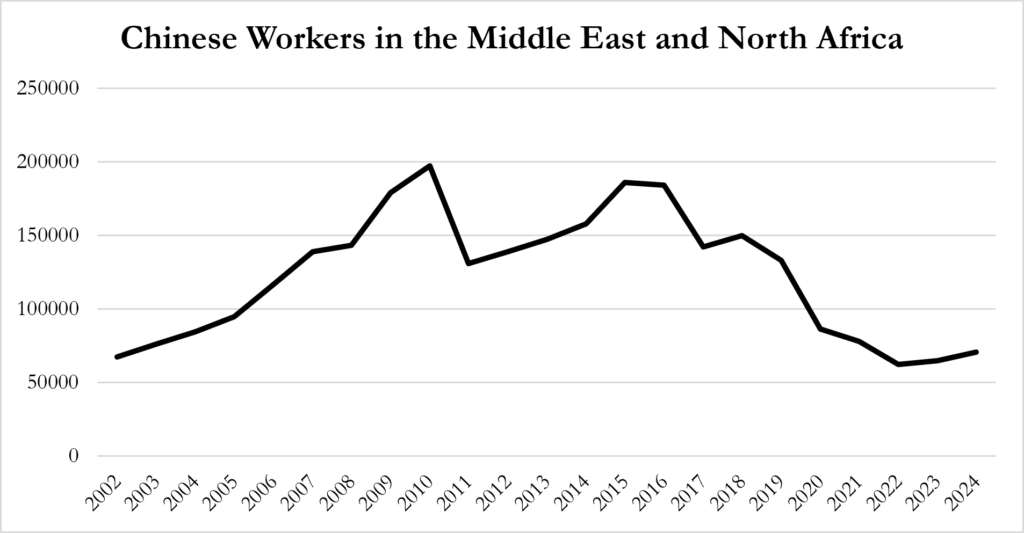
Figure 3. Prepared by the author using official Chinese data.
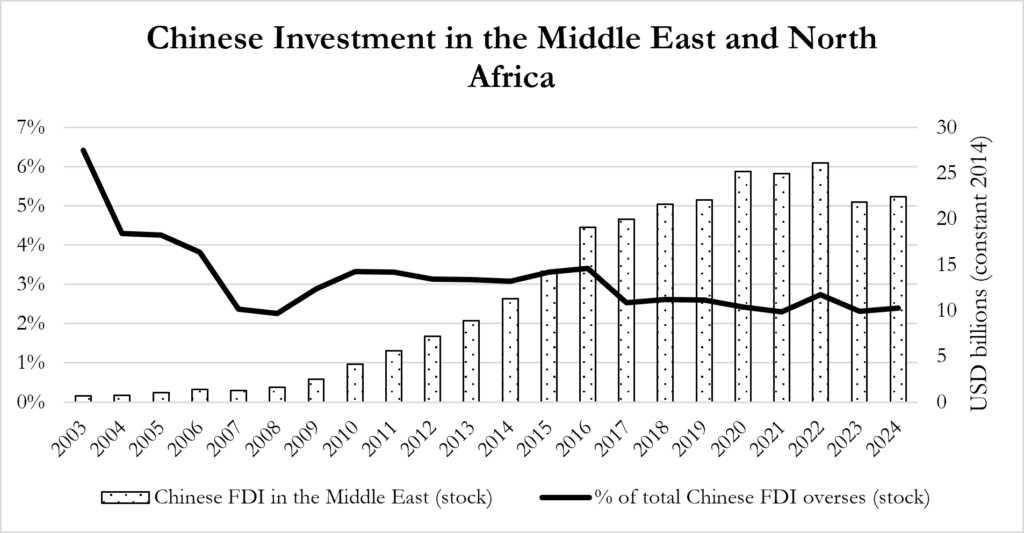
Figure 4. Prepared by the author from the Statistical Bulletin of China’s Outward Foreign Direct Investment.
Conclusion
While Washington’s dominance in the Western hemisphere can effectively only be undermined by its own actions, China faces a very different situation in Asia with nuclear-armed states, a network of American partners and allies, and many unresolved territorial and maritime disputes. Its own regional position cannot help but shape Beijing’s foreign policy priorities and how it looks at other parts of the world. As such, the Middle East plays an important role in the context of US-China competition, though the region is not salient for Beijing and Washington to the same degree or for the same reasons. China’s uncompromising stance on regime security and territorial claims at home translates to significant flexibility in the Middle East, which it has sought to preserve with remarkable success despite greater energy and economic ties with the region. China’s substantial economic, defense, and political presence in the Middle East is a fact that both the United States and regional players must keep in mind. Beijing has never had more ways to make other countries pay a price for disregarding its interests. However, Beijing’s need to protect its economic and energy interests means that the risk of a US-China clash has always been low and is likely to decrease further. In fact, a more powerful China is relatively less likely to become entangled in the Middle East.
As Xi Jinping travels to Washington, China’s flexibility in choosing between obstructing, helping, or just ignoring American actions remains the same. With the Trump administration stuck in Iran and the US economy suffering, Xi is already in a strong position as the Chinese have already made it clear that their focus remains Taiwan, not the Middle East. Unless Trump can make credible offers on that front, China is unlikely to go further than calling for a return to the Islamabad Memorandum of Understanding. To keep its banks outside the scope of Operation Economic Outcast sanctions, Beijing will also avoid increasing its support to Tehran. After all, the survival of the Iranian regime is in itself enough to increase pressure on the United States.
The views expressed in this publication are the author’s own and do not necessarily reflect the position of Arab Center Washington DC, its staff, or its Board of Directors.
Featured image credit: YIN BOGU / XINHUA / XINHUA VIA AFP