Speakers
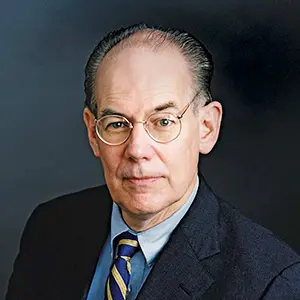
John J. Mearsheimer
American Political Scientist and International Relations Scholar; R. Wendell Harrison Distinguished Service Professor of Political Science, The University of Chicago
Noura Erakat
Human Rights Attorney and Legal Scholar; Professor in the Department of Africana Studies and the Program in Criminal Justice, Rutgers University

Sahar Aziz
Distinguished Professor of Law, Middle East Legal Studies Scholar, Chancellor’s Social Justice Scholar, Founding Director of the Center for Security, Race and Rights, Rutgers University Law School

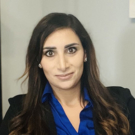
Diana Buttu
Human Rights Attorney and Analyst; Former Legal Advisor to the PLO and Palestinian Negotiators
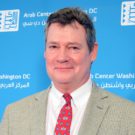
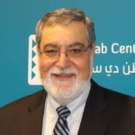

Marc Lynch
Professor of Political Science and International Affairs and Director of the Project on Middle East Political Science (POMEPS), George Washington University
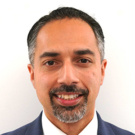
Trita Parsi
Co-founder and Executive Vice President, Quincy Institute for Responsible Statecraft
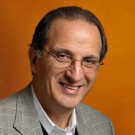
James Zogby
Co-founder and President; Arab American Institute; Director, Zogby Research Services; Veteran Democratic National Committee Member
About the Conference
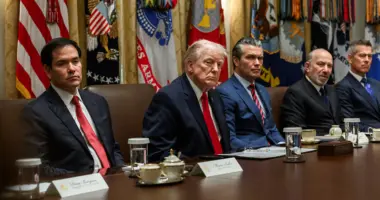
During his second term, President Donald J. Trump has pursued a foreign policy approach that continues to challenge longstanding diplomatic norms, strategic partnerships, and multilateral frameworks. His administration has emphasized an “America First” doctrine and a transactional orientation that have significantly reshaped US engagement in the Middle East and North Africa. Policies ranging from efforts to expand the Abraham Accords, the imposition of economic tariffs, the suspension of various aid and development programs, and the withdrawal from major international and multilateral organizations to assertive military posturing, expanded arms transfers, and the use of military strikes against multiple countries have collectively redefined US engagements with the Arab world. The administration’s unwavering support for Israel’s genocidal war and ethnic cleansing of Palestinians in Gaza and the West Bank and joining its war on Iran, despite mounting international legal and humanitarian concerns, have further strained global perceptions of US commitments to human rights and conflict resolution. Meanwhile, trade disputes, recalibrated security guarantees, and renewed debates over the legitimacy and role of international institutions have had broad implications for global stability and US leadership. Domestically, these trends have shaped political discourse around democratic governance, civil liberties, global alliances, and national security, themes that have become central in the run-up to the upcoming midterm and presidential elections in the United States.
Arab Center Washington DC is dedicating its 11th Annual Conference to examining the Trump administration’s foreign policy approaches and their implications for democratic norms, international law, and human rights in both the Middle East and the United States. Leading scholars and policy experts will analyze the consequences of Trump’s second-term foreign policy for the evolving global order; assess how shifting alliances, regional rivalries, and recalibrated US–Arab relations are transforming the political landscape; and evaluate the long-term impacts of Trump’s policies toward conflicts—from Gaza to Yemen to Iran—on US credibility and strategic influence. What lasting legacy might the Trump effect leave for American diplomacy and democratic norms at home and abroad? To what extent is US public opinion impacted by foreign policy decisions? What is the impact of the Trump effect on the Republican and Democratic parties? As voters look ahead to the next midterm and presidential elections, how might these issues influence political candidates, voter decisions, and election results? Panelists will consider how US public opinion is responding to these developments, how domestic and foreign policy dynamics are shaping the futures of both major political parties, and how debates over alliances, global conflicts (especially the Gaza and Iran wars), trade, and national security may influence electoral outcomes and the trajectory of US foreign policy in the years ahead.
Conference Agenda
9:00 AM – Registration and Breakfast
9:30 AM – Welcome and Introduction
9:45 AM – Opening Keynote Address
John J. Mearsheimer
American Political Scientist and International Relations Scholar; R. Wendell Harrison Distinguished Service Professor of Political Science, The University of Chicago; Author of “How States Think: The Rationality of Foreign Policy”, “The Tragedy of Great Power Politics”, “The Great Delusion: Liberal Dreams and International Realities”, and “The Israel Lobby and U.S. Foreign Policy”, among others.
10:30 AM – Panel I
US Policies in MENA under Trump: Alignments, Rivalries, and Reshuffling the Regional Order
12:00 PM – Lunch
12:45 PM – Award Ceremony
Presentation of the ACW Excellence Award 2026
Honoring
Noura Erakat
Human Rights Attorney; Associate Professor in the Department of Africana Studies and Program in Criminal Justice, Rutgers University, New Brunswick; Co-founding Editor, Jadaliyya E-zine; Author of Justice for Some: Law and the Question of Palestine (Stanford University Press, 2019); Former Legal Counsel to US House of Representatives and Legal Advocate for Palestinian refugee rights at the United Nations
1:15 PM – Panel II
What Next: Trump’s Legacy, US Foreign Policy, and Upcoming Elections
2:45 PM – Closing Remarks
3:00 PM – Adjournment


