Speakers

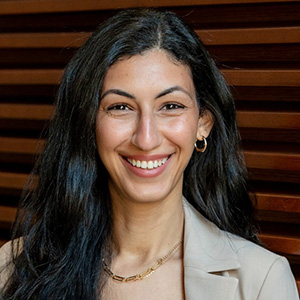
Laila Omar
Researcher, Arab Center for Research and Policy Studies; Adjunct Professor of Sociology & Anthropology, Doha Institute for Graduate Studies
The 2025 Arab Opinion Index represents the ninth installment in a series of public opinion surveys conducted across the Arab world since 2011. This comprehensive study surveyed more than 40,000 respondents from 15 Arab countries—Algeria, Egypt, Iraq, Jordan, Kuwait, Lebanon, Libya, Mauritania, Morocco, Palestine, Qatar, Saudi Arabia, Sudan, Syria, and Tunisia. Conducted by the Arab Center for Research and Policy Studies, the survey provides an in‑depth examination of the key political, social, and economic dynamics shaping public attitudes across the Arab region.
The Index measures a wide spectrum of issues, including living conditions, trust in state institutions, evaluations of government performance, views on democracy, and patterns of civic and political engagement. It also captures public perceptions of major regional crises—particularly in Gaza, Lebanon, Sudan, and Syria—and examines attitudes regarding the Palestinian cause, intra‑Arab relations, the role of international actors, and views toward the United States and its policies in the Middle East.
Read the executive summary of the survey results
