Speakers
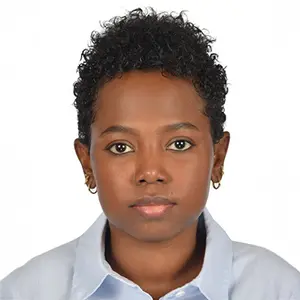
Muzna Alhaj
Analyst and Member of Khartoum Resistance Committees

Elobeid Elobeid
Adjunct Professor, Georgetown University; Member of the Advisory Council of Canada Law Commission; International Human Rights and Justice Expert

Jehanne Henry
Human Rights Lawyer and Researcher; Adjunct Lecturer, Columbia Law School
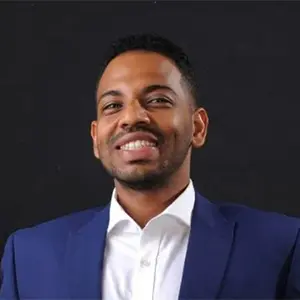
Hamid Khalafallah
Researcher and Policy Analyst; Doctoral Candidate at the Global Development Institute, University of Manchester
About the Webinar
The war in Sudan, now in its third year, represents the largest humanitarian crisis ever recorded and the fastest displacement crisis in the world, with over 12 million people displaced and 30.4 million people (more than half the population) in need of humanitarian support. The war of military elites, which erupted on April 15, 2023, between the Sudanese Armed Forces (SAF) and the Rapid Support Forces (RSF), has led to the country’s de facto partition and resulted in two competing centers of power: the RSF in the west and the SAF in the center and east. But civilians are bearing the brunt of the fighting, with widespread human rights violations, the targeting of civilians, famine, healthcare system collapse, sexual violence, child soldier recruitment, ethnic cleansing, and attacks on aid workers. Despite several ceasefire efforts, the war shows no sign of abating, as civil society is excluded from peace talks and processes and as foreign actors continue to fuel the violence and supply weapons. The international humanitarian response has also been severely inadequate, leaving Sudanese civilians to depend on local resistance committees and grassroots mutual-aid networks to address urgent needs. These committees, representing Sudan’s leading pro-democracy movement, were central to the 2019 revolution and later mobilized against the 2021 coup. But they shifted their focus in 2023 toward humanitarian work, establishing Emergency Response Rooms (ERRs), informal youth-led networks that deliver lifesaving assistance in areas international agencies cannot reach.
In light of these developments and the hyper-focus on militarization, Arab Center Washington DC (ACW) is convening a panel of experts to discuss the role of Sudan’s civilian-led grassroots pro-democracy movement. Panelists will explore the role of civil society in Sudan, the evolution of pro-democracy movements, the challenges they face, and the prospects for a democratic, inclusive, and peaceful transition. What threats and challenges do ERRs and other local aid initiatives face? How have pro-democracy activists been targeted and excluded from peace processes? How can Sudan’s grassroots movements be included in shaping Sudan’s political future? What can the international community do to support them? What are the prospects and recommendations for accountability measures and transitional justice processes?
Featured image credit: Shutterstock/Koca Vehbi
