Speakers

Rola El Husseini
Associate Professor and Researcher, Centre for Middle Eastern Studies, Lund University

Nader Hashemi
Director, Alwaleed Center for Muslim-Christian Understanding and Associate Professor of Middle East and Islamic Politics, Georgetown University
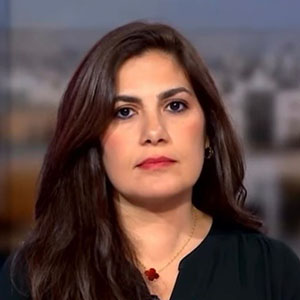
Negar Mortazavi
Award-winning Journalist and Political Commentator; Senior Non-Resident Fellow, Center for International Policy
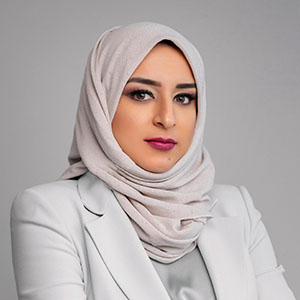
Dania Thafer
Executive Director, Gulf International Forum
Moderator
Nancy Okail
President and CEO, Center for International Policy
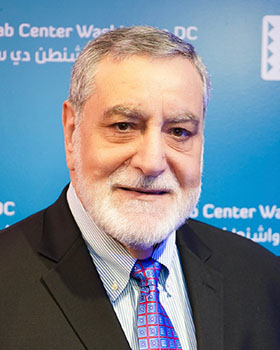
Khalil E. Jahshan
Chairman of the Board of Directors and Founding Consultant
Arab Center Washington DC
About the Webinar
The recent Israel-US war on Iran has permanently disrupted the traditional balance of power in the Middle East and ushered in a new and uncertain phase for the region and the world. The US-Iran Memorandum of Understanding (MOU) and the US-backed Lebanon-Israel framework agreement could reshape regional security, diplomacy, and economic relations, but major questions remain unresolved. The fragility of the Iran MOU has already been underscored by renewed attacks exchanged between the United States and Iran and President Donald Trump’s threat to abandon the ceasefire, raising questions about the political will needed to sustain the agreement and move negotiations forward. The agreement also leaves open questions about sanctions relief, Iran’s internal challenges, the reopening and future control of the Strait of Hormuz, and the prospects for renewed economic engagement between Iran and the Gulf Cooperation Council (GCC) states. The GCC states are facing a pivotal inflection point in their economies, security frameworks, and foreign policies as they reassess traditional alliances and diversify partnerships beyond their historic reliance on the United States. The Lebanon-Israel framework, meanwhile, is intended to end the conflict between Israel and Hezbollah in southern Lebanon, but faces serious challenges, including Hezbollah’s rejection of the agreement and the absence of a clear timeline for Israeli withdrawal.
 Arab Center Washington DC and the Center for International Policy are convening a webinar to assess the geopolitical consequences of the Iran war and the contours of a shifting regional order. Speakers will examine the implications of the Lebanon-Israel agreement, GCC-Iran relations, US-Gulf relations, emerging regional realignments and security arrangements, and the trajectory of US-Iran talks. The panel will also analyze how unprecedented military actions have challenged traditional security assumptions, forcing Gulf states to recalibrate their regional alliances. The discussion will address how these developments may affect Gulf economic diversification and the prospects for a more stable regional security framework.
Featured image credit: CENTCOM
