Speakers

Abed Abu Shehadeh
Journalist and Political Activist based in Yaffa
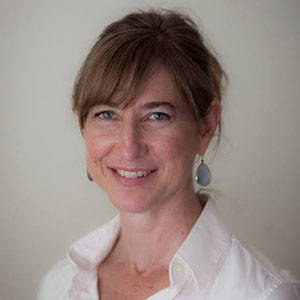
Dahlia Scheindlin
Political strategist and public opinion researcher; Columnist for Haaretz.
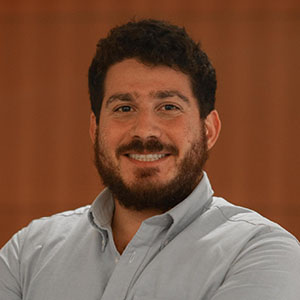
Hamid Bendaas
Communications Director, Policy Project, Institute for Middle East Understanding

Kelley Vlahos
Senior Advisor, Quincy Institute; Editor-in-Chief, Responsible Statecraft
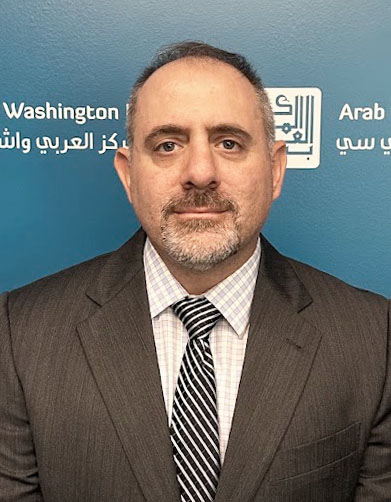
Moderator
About the Webinar
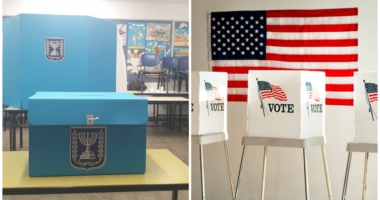
After three years of genocide in Gaza, public opinion in the United States has shifted significantly, and the implications of the shifts for the US-Israel relationship are profound. This fall, Israelis and Americans will vote in elections that will introduce new complexities to their evolving relationship. Midterm elections in the United States, which will determine control of Congress, are set to take place in early November amid public frustration over high gas prices and the prospect of deeper US involvement in Middle East conflicts. Days prior, Israelis will have the first opportunity to vote for new leaders since October 7th, 2023, and the ever-expanding series of wars that erupted since then.
Arab Center Washington DC has assembled a panel of experts to discuss the results of the US and Israeli elections and examine their potential implications for a wide range of policy issues. If Congress changes hands, how would that influence the Trump administration’s foreign policy? What impact will the midterm elections have on the US presidential campaigns that follow? Will Israeli voters hand a mandate once again to Netanyahu, or will his right-wing coalition fall? Would an alternative to Netanyahu pursue a meaningfully different approach to Gaza, the West Bank, and the Palestinian issue more broadly? What implications will both elections have on the US-Israel relationship in this moment of transformation?
Featured image credit: Roman Yanushevsky and RawPixel via Shutterstock

